Keep ahead of the pack
Join our mailing list and be the first to hear our latest news and biggest announcements.
By signing up you agree to our privacy policy. You can unsubscribe at any time.
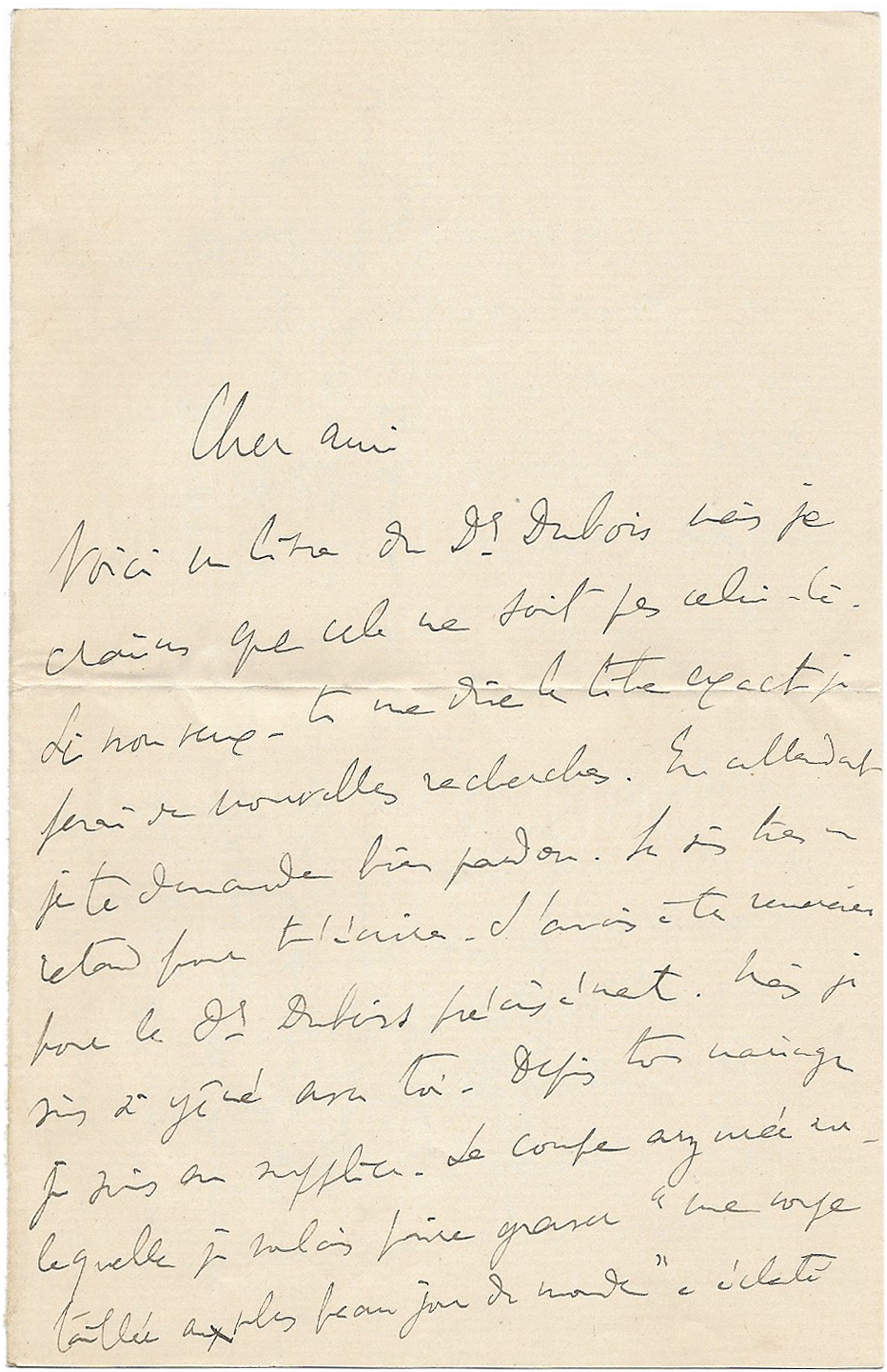
Autograph letter signed « Marcel Proust » to Fernand Gregh
N.p.n.d. [Paris, 13 Nov. 1903], 2 p. 1/2 small in-8°, with envelope
« Since your wedding, I’ve been tormented »
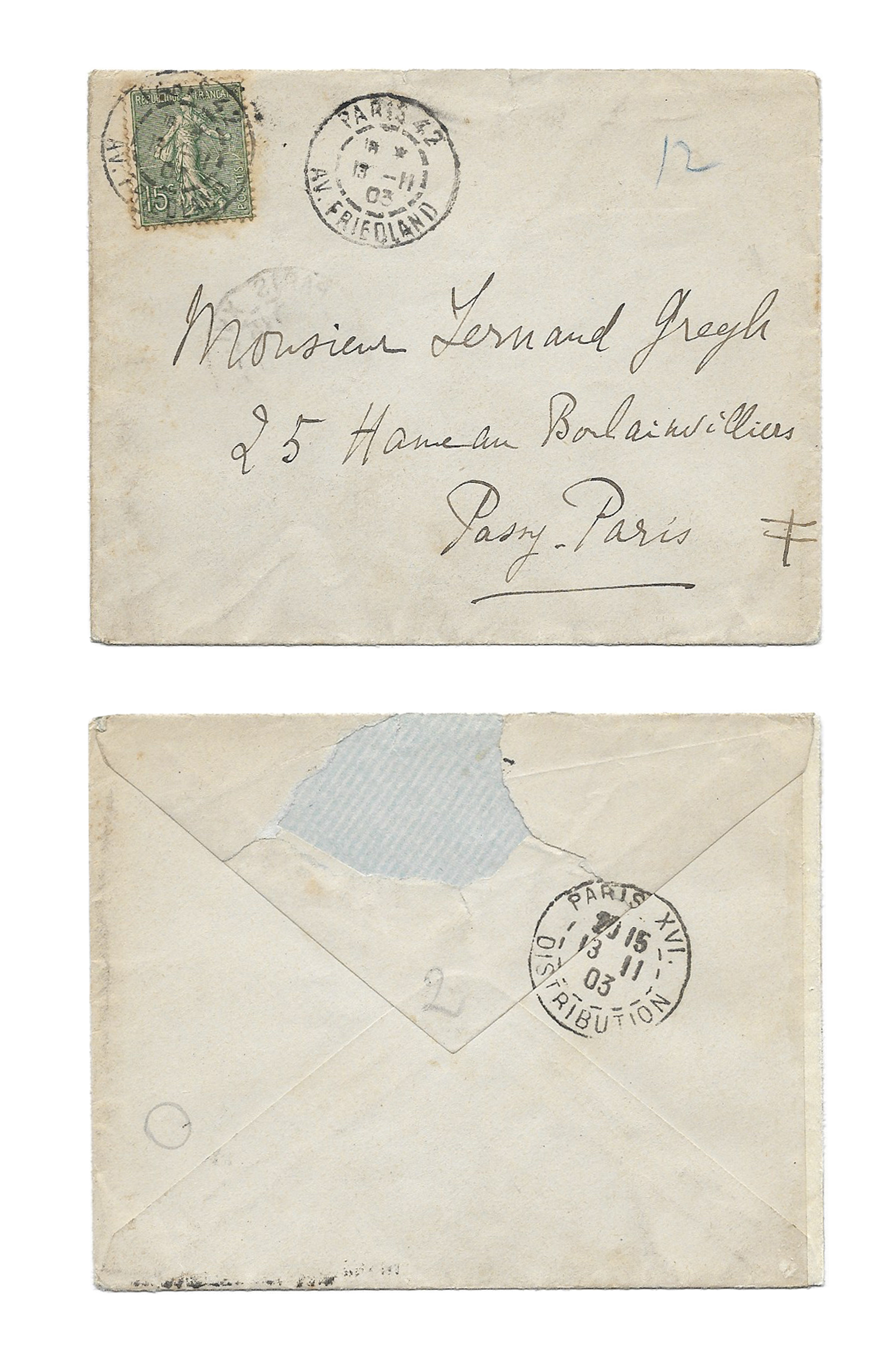
Autograph letter signed « Marcel Proust » to Fernand Gregh
N.p.n.d. [Paris, 13 Nov. 1903], 2 p. 1/2 small in-8° in black ink on laid paper
Watermark: “Au Printemps Paris – Nouveau Papier Français”
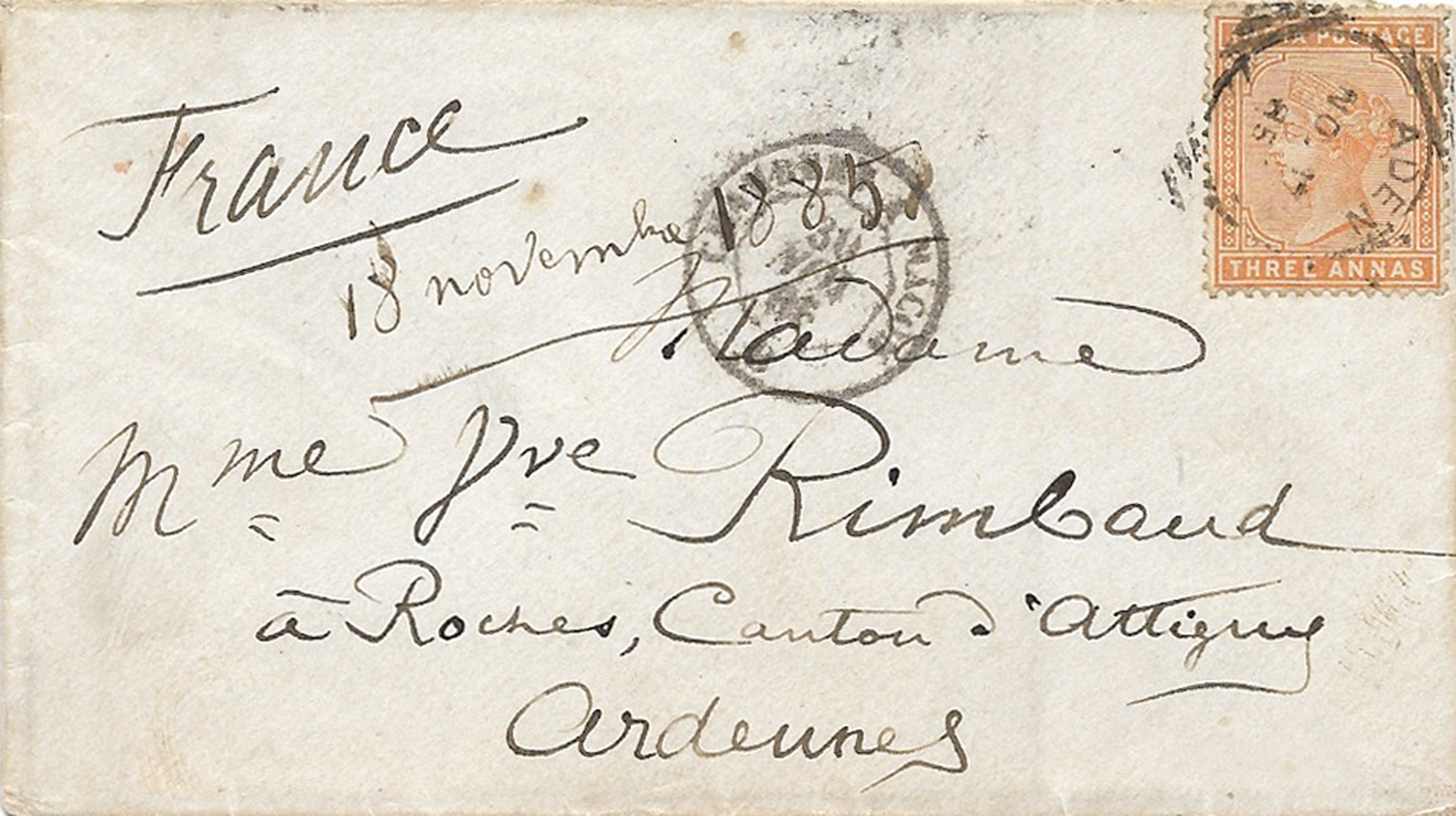
Included: autograph envelope, stamped and postmarked
Old tab mark on the fourth page
Abundant letter from Proust, steeped in excessive friendly remorse: between a broken Émile Gallé cup, a lost book, and an allusion to the future models of Du Boulbon and Bergotte
« Cher ami, voici un livre du Dr Dubois mais je crains que cela ne soit pas celui-là. Sinon veux-tu me dire le titre exact, je ferai de nouvelles recherches. En attendant, je te demande bien pardon. Je suis très en retard pour t’écrire. J’avais à te remercier pour le Dr Dubois précisément. Mais je suis si gêné avec toi.
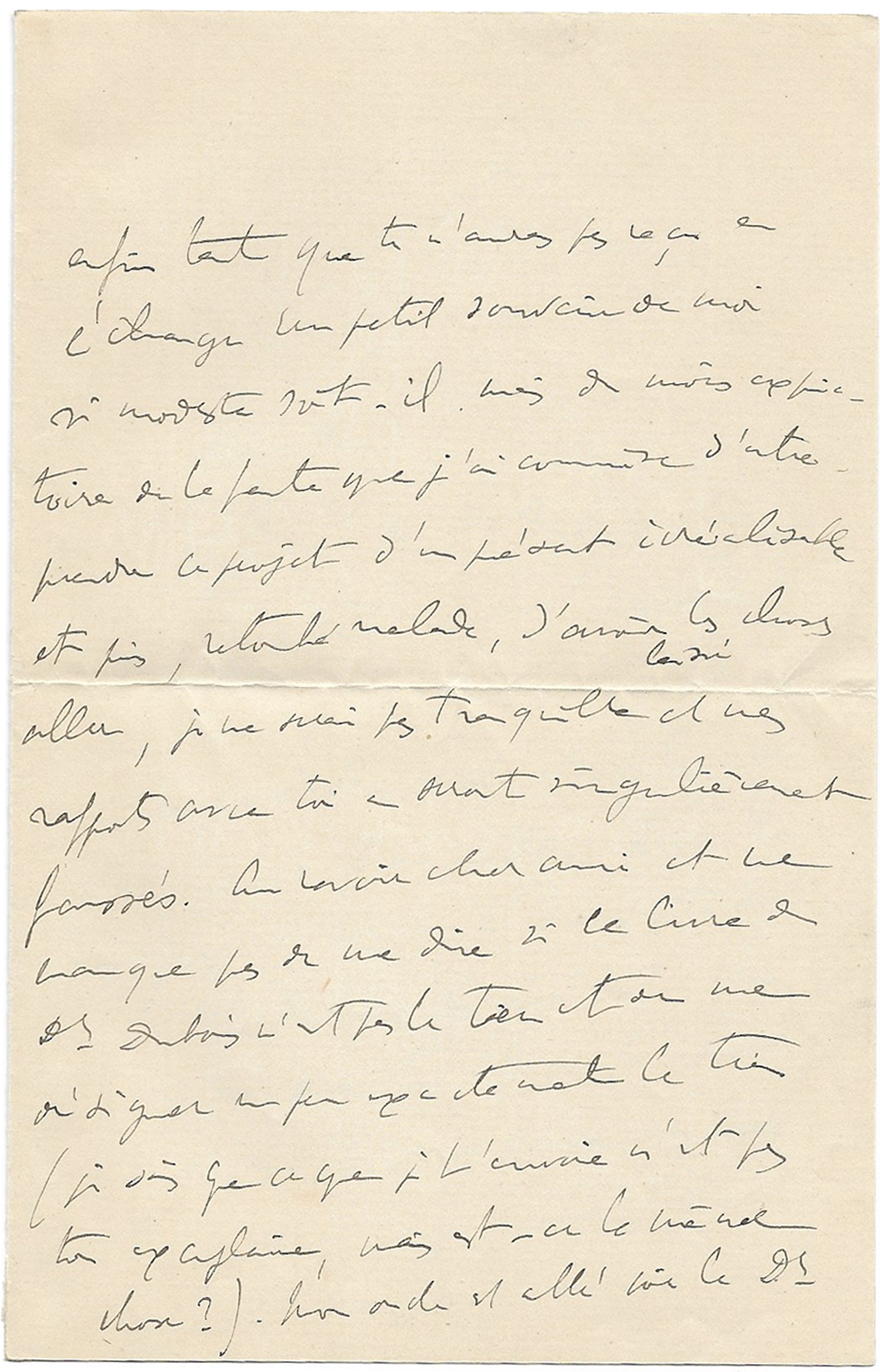
Depuis ton mariage, je suis au supplice [le 23 mars 1903, avec Harlette Hayem, nièce du médecin, industriel et collectionneur d’art Charles Hayem]. La coupe azurée sur laquelle je voulais faire graver « Une coupe taillée au plus beau jour du monde » a éclaté. Enfin, tant que tu n’auras pas reçu en échange un petit souvenir de moi, si modeste soit-il, mais du moins expiatoire de la faute que j’ai commise d’entreprendre le projet d’un présent irréalisable, et puis, retombé malade, d’avoir laissé les choses aller, je ne serai pas tranquille et mes rapports avec toi en seront singulièrement faussés.
Au revoir, cher ami et ne manque pas de me dire si le livre du Dr Dubois n’est pas le tien et de me désigner un peu exactement le tien (je dis que ce que je t’envoie n’est pas ton exemplaire, mais est-ce la même chose ?).
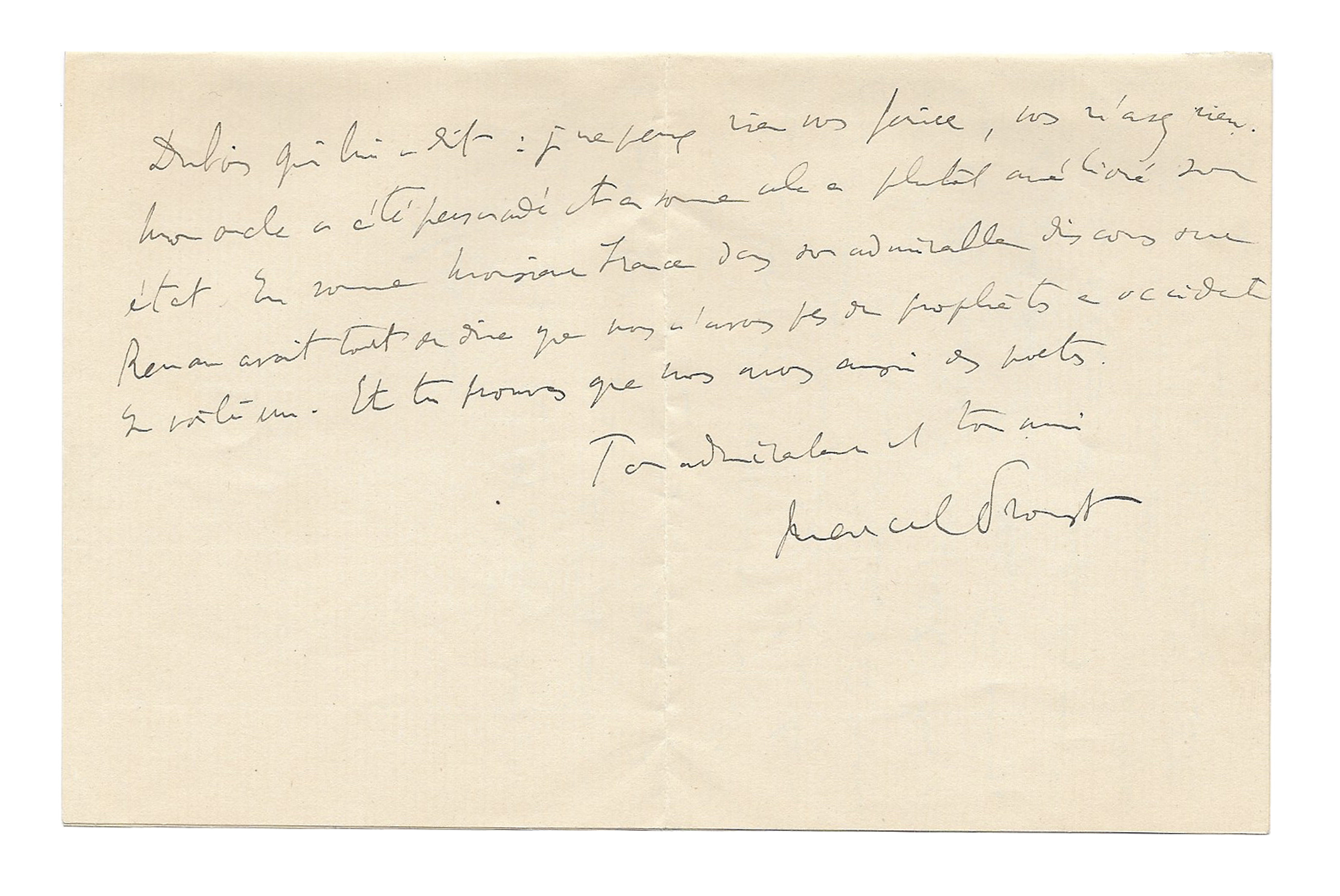
Mon oncle est allé voir le Dr Dubois qui lui a dit : « je ne peux rien vous faire, vous n’avez rien ». Mon oncle a été persuadé et en somme cela a plutôt amélioré son état.
En somme monsieur France dans son admirable discours sur Renan avait tort de dire que nous n’avons pas de prophètes en Occident. En voilà un. Et tu prouves que nous avons aussi des poètes. Ton admirateur et ton ami, Marcel Proust »
Famous professor of neuropathology of the time, Dr. Paul Dubois ran a clinic in Bern and published several works, including On the Influence of the Mind on the Body (1901). Fernand Gregh had received treatment from him in 1900, and Proust, who considered consulting him in 1905, recommended him to his uncle Denis-Georges Weil.
Proust, who cites Dubois’ theories in the notes of his translation of Ruskin’s Sesame and Lilies, also transposed the anecdote of his uncle’s visit to the doctor in The Guermantes Way: Dubois tells Weil that he is not ill, and Weil immediately feels better, much like the Narrator’s grandmother does with Dr. Du Boulbon. Proust also has a character die of uremia, which claims his uncle.
Uncle Weil, a friendly figure from Proust’s happy childhood: Brother of Proust’s mother, Denis-Georges Weil represents a perfect example of the familial closeness Proust experienced in his youth, characterized by shared daily life and a love of conversation. Uncle Weil would engage in long literary discussions with the writer, sometimes forgetting the time to go to the courthouse where he held a judicial post. He was also co-owner, with Madame Proust, of the building on Boulevard Haussmann where Proust would live starting in 1906.
A broken Gallé cup: The inscription Proust wanted to have engraved on a cup by the famous glassmaker Gallé was inspired by a passage from Fernand Gregh’s poem Joie, from his collection La Beauté de vivre (1900): « La mer miroite et rit, calme, lieue après lieue, / La mer, sous le ciel pâle, est une coupe bleue, / Taillée en un saphir immense, un jour d’azur, / Aux premiers temps du monde, au matin le plus pur […] / Et que la vie enfin te soit, bleue et profonde, / Une coupe taillée aux premiers jours du monde, / Au matin le plus clair, au moment le plus bleu, / Dans l’azur, par les mains de l’ineffable Dieu ! »
A speech by Anatole France on Renan: Proust, who admired Renan and was acquainted with Anatole France (later the model for Bergotte), makes at the end of the letter a reference to the speech France delivered at the inauguration of Renan’s statue in Tréguier (September 13, 1903), in which he recounted: « [Un prince oriental] me demandait avec une surprise à peine feinte et un orgueil asiatique, comment il se faisait que l’Occident n’eût point de prophètes, lorsqu’en Orient il s’en levait sans cesse des milliers.
Provenance:
Fernand Gregh
Then private collection
Bibliography:
Corr., t. III, Kolb, Plon, n°254
RDM, 15 Janv. 1954, p. 291-292
Join our mailing list and be the first to hear our latest news and biggest announcements.
By signing up you agree to our privacy policy. You can unsubscribe at any time.